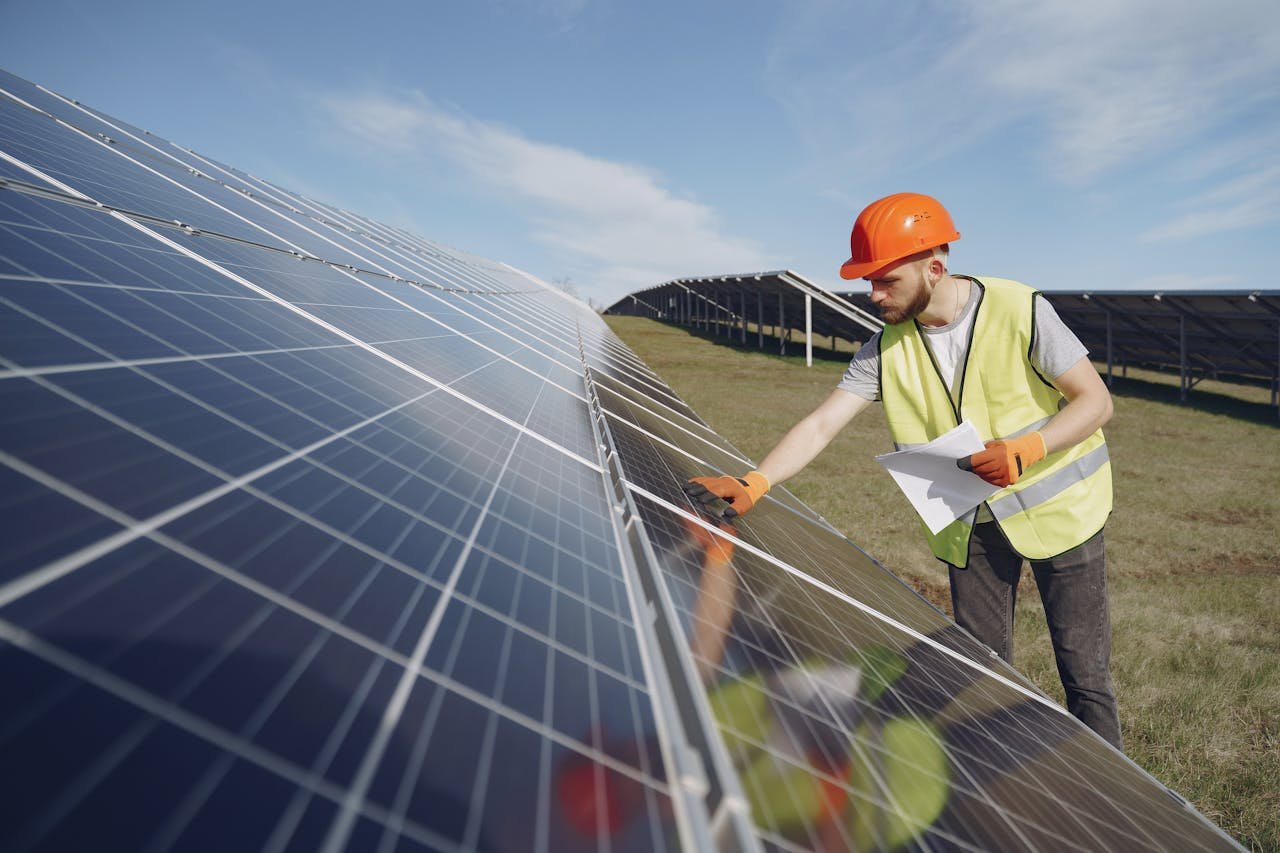


If you’re living in Illinois and considering a smart move toward saving money, raising property value, and doing right by environment, let’s talk about this option. You might be wondering, “Is it even worth it in Illinois?” With cloudy winters, heavy snowfall, and unpredictable seasons, that question makes complete sense. But here’s the truth—solar in Illinois is not only doable, it’s thriving.
Ever wonder why so many homeowners across Prairie State—from Rockford to Springfield and down to Carbondale—are turning rooftops into money-saving assets? Not coincidence. Supportive policies, generous incentives, plus fast tech progress opened a path making practical sense. Could such a shift truly fit a property and a budget? Fair question—and clear answers exist. Can monthly bills drop? Yes, many households notice meaningful savings. Can incentives soften upfront cost? Absolutely, strong programs often reduce financial pressure. Is present moment wise for exploration? Progress in technology and supportive programs continue building confidence across communities. Waiting for a sign? Perhaps one already stands overhead, because a roof may hold more financial potential than many realize.
1. Why Folks Are Turning to the Sun for More Than Just a Tan
We’ve seen a big shift lately—and it’s not just about being trendy or chasing a green lifestyle. Nope, there are real, practical reasons everyday folks are making a change.
a. Price Tag Is Lower Than Ever
Technology has come a long way. What used to cost a small fortune is now more within reach. Equipment that used to be reserved for big buildings or fancy neighborhoods is now showing up on ranch houses, barns, and even townhomes.
b. State Is Backing It Big Time
Programs rolled out by state lawmakers rank among top options across Midwest. These efforts allow more families plus business owners to save cash while making meaningful upgrades.
c. Cleaner Living, Plain and Simple
Choosing to use what sky gives naturally just feels right. It’s one less thing pulling from grid and one more thing moving toward a cleaner future.
2. How Whole Setup Works (Without Getting Too Technical)
Think an advanced science background is required to understand how everything works? Not at all. Curious about simple explanations without confusing technical language? Here comes a clear breakdown. When sunlight reaches units placed across a rooftop or open ground, does it simply sit there? Not even close—light becomes electricity running appliances, charging phones, and keeping living spaces bright after sunset. Wondering what happens when production rises beyond household use? Connection with a local utility handles it—extra output moves into community lines while credits return in exchange. Concerned winter weather shuts everything down? Not really. Units sit at an angle allowing snow to slide away, and even under cloudy skies usable electricity still forms. Straightforward, dependable, and thoughtfully designed—doesn’t everything suddenly feel far more within reach?
3. Financial Breaks That Make It a No-Brainer
Now comes a moment that sparks a pause: “Wait… is all of this actually real?” Can a rooftop truly become a source of income? Yes, it can. Every time a setup reaches 1,000 kilowatt-hours, a renewable credit appears, and companies purchase those credits to meet clean-living goals—meaning a roof no longer sits idle, it begins working in a rewarding way. Curious whether federal incentives truly matter? Right now, 30% of total setup cost returns during tax season, not as a small deduction but as a direct reduction of what one owes, a difference many households genuinely notice. What happens if more electricity is produced than daily use requires? Extra output flows into a local grid, a meter can move backward, and credits build like a cushion for cloudy or snowy days. Concerned about budget limits? Options still exist. A special program designed for lower-income households can remove upfront cost entirely while monthly bills begin shrinking. Surprising discovery? Perhaps. Exciting opportunity? Absolutely—and participation remains within reach.
4. What It’s Like to Make Switch
Thinking about making a change? Here’s how process usually goes, step by step:
Step 1: Have a Pro Check Things Out
A technician visits, examines a rooftop or open area, and determines whether installation makes sense—checking angles, tree coverage, roof strength, and other important factors.
Step 2: A Custom Plan for Your Property
Using past electric bills, a custom setup gets designed to match actual usage. No cookie-cutter kits involved—each installation receives a personalized approach built around real consumption patterns.
Step 3: All Paperwork? Handled.
No need to worry about paperwork. A provider takes care of permits, grid agreements, and program applications, making the entire process smooth and stress-free.
Step 4: Setting It Up
In most cases, it only takes a few days from start to finish. You’ll barely notice until it’s done.
Step 5: Let Sunshine Do Work
Once inspections are complete and a utility company provides approval, everything starts running smoothly and producing electricity right away.
5. How Much Can You Actually Save?
Great question—because what value does advanced technology hold if real savings never appear? Let’s look at numbers in a way many households appreciate. Most homes operate with a 6–8 kW rooftop setup—does such size sound enormous? Not really. Initial cost before incentives often lands between $18,000 and $22,000. Feels high at first glance? Of course. Yet federal support can reduce cost to roughly $13,000–$15,000. Now consider this: could renewable credits return about $8,000–$10,000 across 15 years? Yes, many installations reach results within that range. Could an electric bill shrink by as much as 90%? In many situations, yes again. Add everything together and recovery of cost may arrive in roughly 6–8 years, while equipment often continues producing electricity for 20–25 years beyond payback. So what appears above a roof—simple expense, or a long-term income-producing asset quietly working year after year?
6. Real Questions, Honest Answers
Q: Will snow ruin a setup?
Nope! Panels are built tough. Snow slides off quicker than you’d expect, and most systems have monitoring tools that keep things on track.
Q: What happens if I sell my house?
A home’s value rises instantly. Buyers appreciate features that keep monthly bills low while delivering dependable long-term benefits.
Q: Can I finance it?
Absolutely. Whether paying upfront, choosing a loan, or exploring rent-to-own paths, options exist for nearly every budget.
7. Not a Property Owner? You’ve Still Got Options
Renters assuming participation requires owning a rooftop? Think again. Ever heard about community programs allowing residents to subscribe to a shared field of rooftop units—often called a farm—while still receiving credits on a monthly bill? Yes, opportunity like this already exists. No shingles, tools, or ladders required for participation. Curious whether projects exist nearby or if conversation sounds too good to be real? Shared installations continue expanding around Springfield, Peoria, and even within downtown Chicago. So can renters support clean living, reduce electricity costs, and avoid rooftop responsibility entirely? Absolutely. Simple, accessible, and designed with renters in mind—why miss an opportunity already growing across nearby neighborhoods?
8. Towns Across State Are Leading Way
Chicago has city-backed programs encouraging neighborhoods to group together for shared pricing.
Rockford is seeing a rise in farm-based options that supply full blocks at once.
Carbondale and Champaign have adopted setups across schools, libraries, and local businesses.
It’s not just a big-city trend—it’s happening from one end of state to another.
9. Big Picture: A Brighter Future
What happens when a household begins relying more on sunlight and less on traditional sources? Does a single choice truly matter? Yes—it does. Each shift brings cleaner air, lighter strain on a local grid, plus a future where kids and grandkids breathe a little easier. Isn’t such impact worth a moment of reflection? When demand declines, pressure across infrastructure relaxes, allowing communities to experience real, measurable improvement. And are national leaders serious about building a cleaner future? Absolutely—clear goals already exist, with rooftop generation standing as a key pathway toward reaching them. So when such a decision takes shape, is it simply about reducing a bill—or about shaping what tomorrow looks like for everyone?
10. Should You Make Move?
So, is now a good time? If a goal includes long-term savings, added property value, plus a meaningful chance to make a positive difference in world—answer becomes a confident yes. Even without readiness for a big step today, exploring a free consultation or estimate still makes sense. No pressure involved—only clear, practical information that helps guide a smart decision.